
The sleek and powerful Lenovo IdeaPad-FLEX-14API

This lightweight laptop is wirey
 When UPS delivered my Lenovo IdeaPad Flex-14API ($679), I lifted the package and wondered if they made a mistake. It was so light, I wondered if they sent me an empty box.
There was no mistake. Inside was an adorable 3.65-lb. compact laptop, with a decent sized keyboard — without the number pad that I never use anyway — and an AC adapter plug no bigger than a ring box. I questioned if something so tiny could have the capacity to meet my demanding needs as a writer and blogger who is on my computer a minimum of 12 hours a day, often working with a lot of images, and receiving and sending hundreds of emails per day, so I immediately put it to the test.
To start, I simply pressed the power button; and it was pretty exciting. As someone who has not gotten my own new personal computer in more than two years, I was delighted by the ease of the process. First, Cortana came on to prompt me and give me specific directions regarding what I should do to set up the computer the way I wanted it. I customized my desktop and synced my settings on my Microsoft account, and I added a fingerprint on the tiny sensor pad below the keyboard, in addition to a pin, for security.
Just as Microsoft promised — convenient but a little creepy — all my settings from my other devices were imported, and sure enough, I started seeing an ad for the Adidas Yeezy Boost 350 V2, which my son had been shopping for the night before. While sometimes I feel a little stalked, in the end I do appreciate that the ads I have to see in any case at least are targeted to me, though for the life of me, I can’t figure out why Fox News keeps coming up on my feed.
Within minutes, I was up and running. First thing I did was install Office 365 and sync my files from OneDrive. I also downloaded and made Google Chrome my default browser – sorry Microsoft, love you, but Edge still just doesn’t cut it for me.
Some great features I discovered were the Lenovo Vantage app, which works in combination with Microsoft Cortana voice assistant. Once set up, a user can command Cortana to tell Lenovo to do any number of tasks, from check for new drivers to update apps.

There were plenty of guided tutorials to show me how to use some of these new tools, which is a good thing, since the laptop only came with two small pieces of paper, one being the warranty, and the other a very brief explanation of how to turn on the computer to get started. For those who enjoy the long form, the full user guide is available under the help and support tab of the Lenovo Vantage program, or you can snap a pic of the QR code on the quick start guide to access the e-manual..
While I usually use a mouse and keyboard — go ahead, call me old school — I was so impressed with the large and responsive touchpad, as well as having the option of a touchscreen, that I did not even mind that I did not have my tactile crutch.
I was so enthralled with this little machine, that I did something I never do – I went through the “what’s new“ tutorials.
What better can you say about a new computer than it was completely plug-and-play? The set-up was flawless. Everything worked, the screen optics were terrific, the speakers sounded fabulous, and the speed was remarkably fast. Perhaps I had lower expectations because of the size of this baby, but when I went to my clunky five-pounder two-year-old laptop to compare, there was no doubt that the Lenovo was a superior machine.
For the spec geeks out there, here’s some numbers to process: AMD Ryzen 7 3700U Processor (2.30GHz, up to 4.00GHz with Max Boost, 4 MB Cache. Memory: 8 GB DDR4 2400 MHz Storage: 512 GB SSD.
Another number to note is 7, which is how many hours the battery will last, after charging just 60 minutes for up to 80 % power.

I have very few complaints about the idea pad flex, but here they are: the AC adapter, which Is basically a long thin table with a large plug, is so big that on most power strips it takes up three outlets. The plug pretty much has to go on the end of a power strip, blocking the adjacent outlets.
The only other thing that at first I didn’t like, but now I have gotten completely used to, is the low profile of the keyboard keys. They are so smooth that for big clumsy hands it takes some practice to isolate the keys. Also, I did wish the keyboard were backlit, but hey, for a powerhouse of an affordable little computer like this, I figured that is a bit too much to ask. But just as I said that, my wish came true. As I was following a tour to tutorial on Cortana and Vantage, I learned that I could command the machine to turn on the keyboard backlight. I also then did a quick search and found that by pressing the function key and the little sunrise icon you can also turn on the backlight.
For anyone looking for a very portable, nimble and reliable laptop, the IdeaPad-FLEX-14API is a lot of bang for your buck.
Tech gifts that will light up the grad in your life
Six awesome, smart gifts that will make graduates want to toss their caps
Commencement is a time of celebration, whether your grad is going on to middle school, high school, college, or the world. Mark this rite of passage with a gift that stays with them for the years ahead.
A great, long ride
It will be a long summer, so give your grad a longboard that will carry them forward, down the street, or across the quad. The RazorX Longboard Electric Skateboard ($199.99, ages 9 and up) features a 37.5-long, 5-ply bamboo deck and custom, reverse kingpin trucks for smooth traveling at speeds up to 10 mph, powered by 125-watt, geared, rear-wheel-drive motor, and operated by a handheld digital remote control. Way cooler than walking, and less hassle than locking up a bike, your board can be picked up and carried with you when you’re done riding. It makes getting to college algebra fun! Be sure to observe all regulations regarding use of skateboards on campus.


Sound at your command
Whether your grad is a Wi-Fi aficionado, binge watcher, movie buff or a gaming fan, the Polk Command Bar ($249.95) will give their AV system a resoundingly smart make over. The Alexa-compatible sound bar can play and control music across multiple Amazon devices and be integrated into a television speaker set up and works with 4K and HD TVs, with built-in dual HDMI 2.0b inputs to ensure 4K HDR content looks great; or the bar can stand alone to deliver outstanding sound, activated by voice or remote control. The smart speaker features Bluetooth capability, modes for ideal music and movie listening, and the ability to adjust voice levels so that the user can customize their superior sound experience. A sub-woofer component adds even more depth for a full surround sound experience.

Can you noise cancel me now?
Your grad can block out annoying college roommate, or they’re annoying squabbling brother and sister, or simply indulge in an immersive stereo experience with the MIxCder E9 ($69.99) noise canceling headphones. These premium-yet-affordable over-the-ear Hi-Fi stereo headphones won’t break the bank but will give your grad rich tones for their tunes to enjoy privately. They feature Bluetooth connectivity for wireless use, Active Noise Canceling technology, 30-hour battery life, foldable design, built-in microphone and an included airplane adapter for listening on the fly.


Just-in-case case
Every grad knows that the school of hard knocks teaches life’s best lessons, but that doesn’t mean your phone needs to suffer slings and arrows, or scratches and dents, which is guaranteed not to happen if you keep it in a Pelican GO case ($39.95). This tank-of-a-phone-case seals out water, dirt, snow, and dust and is constructed so heavy-duty that it’s the preferred protector for divers, firefighters, police and military. It can also hold credit cards, keys and other personal items and can tag along on a backpack by a carabiner or hang from a tent hook by its handle.

Plug into the latest tech trends for 2019

Stay smart and charged up year-round with new gear for the New Year
Smart stuff
Never again have that empty feeling when you run out of your favorite snack, with Weplenish ($39.99, Amazon). This amazing smart endless snack dispenser takes count of your snacks and automatically re-orders them when the container is running low. Weplenish also holds your favorite k-cup brands like Starbucks, Green Mountain, Nespresso, Dunkin Donut etc., and is compatible with a variety of snacks like KIND Bars, RXBARs, GoMacro Bars, Quaker Chewy Granola Bars, and Keebler’s Cookie Variety Pack.

Smells like millennial spirit
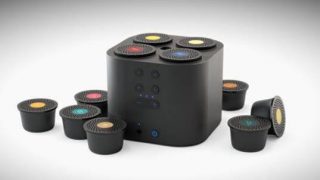
Add some atmosphere to your living or work space with Moodo, the first smart aroma diffuser. This room-freshening device sends scents into air with the touch of a button, using an app on your phone, or on the device itself. You can even link it to Alexa or Google Home and control the fragrance with voice commands. Starter packs ($189, with special sale pricing up to 40 percent off) include one aroma diffuser and three scent families. Refill capsule collections are priced at $17.94 to $29.90.
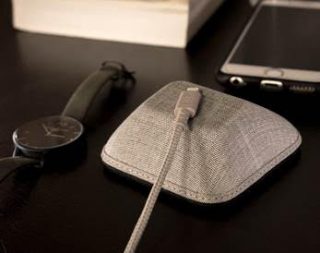
Cable keeper
If you love to be plugged in, but you hate the tangle of cables on your desk or nightstand, you will love the Cable Wrangler ($19.99). Created by Austin-cool Silk, makers of a variety of unique smartphone cases, wallets and accessories, this upholstered magnetic mound will hold her cables with a satisfying “click.” For non-metal cables, the holder features tiny metal collars to place around the necks of those pesky errant cables.
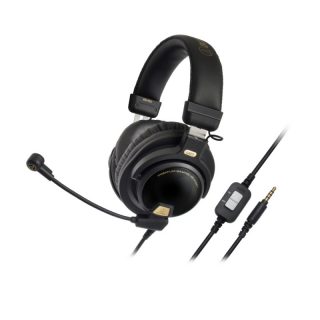
Get your headset in the game
Get into the game with the Audio Technica ATH-PG1 ($129), a headset for serious gamers with immersive audio that makes you feel inside the action. The 44 mm drivers provide powerful, lively sound specially tuned to accentuate all the sonic detail of the gaming environment. The closed-back, lightweight headset stays on snuggly with complete comfort, allowing extended play. The ATH-PG1 also comes equipped with a flexible, 6″ boom microphone for live-sounding in-game voice communication with other gamers, or you can use the headset for everyday media listening, and even for calls and controlling audio and video on smartphones and other portable devices. Compatible with PS4, iPad, iPhone, laptops, PCs, and other gaming devices with standard 3.5mm TRRS connector.
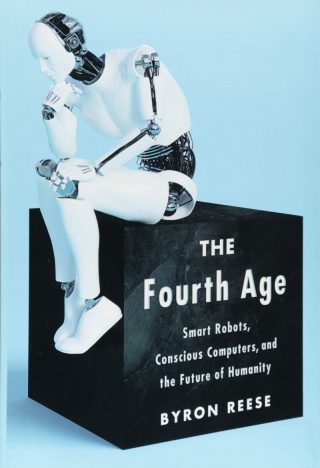
Eh I?
If the new era of tech has got you thinking, then The Fourth Age (Atria Books, $23.25 in hardcover, Amazon), Byron Reese’s thoughtful new book about smart robots, conscious computers and the future of humanity will give you some virtually real intelligence to ponder. Reese, the CEO and publisher of the technology research company Gigaom, offers this essential reading for anyone who enjoys probing the deeper questions about how tech has revolutionized our society and our very selves. The Fourth Age will make you wonder, and it will make you smarter for your next dinner party convo, or online chat.
Hit the Hi-Fi Bottle
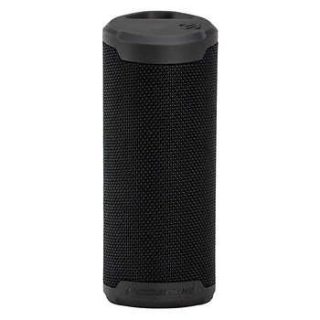
Remember the boom boxes of yesteryore, balanced on a shoulder and pumping out tunes people could hear a block away? The go-anywhere compact bottle-sized BoomBottle MM ($129.99) has captured that grand, satisfying surround-sound acoustics of the famed traveling stereo with its two 12W speakers and two 45mm passive radiators, providing a full-range of crisp highs and deep bass tones, all situated in an IP67 rated dust and waterproof enclosure. This rugged, waterproof wireless speaker can travel anywhere, and it even has a MagicMount magnetic base to keep it stuck to metal surfaces. Available at Costco and other retailers.
What’s old is new again
Kids of all ages will enjoy a trip in the way-back machine via Bandai Namco Flashback Blast ($18.88, Walmart). This collection of old-school classics, such as Pac-Man, Dig Dug, Galaga, Galaxian, Mappy, Sky Kid The Tower of Druaga and Xevious, will take you back to when video games were simple and pixelated. The game set includes a wireless controller and HDMI dongle that easily connects wirelessly to your HD TV, for hours of timeless fun.


It’s beginning to smell a lot like Christmas
Moodo smart-release fragrance diffuser spruces up your home, apartment, or office

Add some atmosphere to your holidays with Moodo, the first smart-home aroma diffuser. This room-freshening device sends scents into air with the touch of a button, using an app on your phone, or on the device itself. You can even link it to Alexa or Google Home and control the fragrance with voice commands. The small plug-in warmer device contains cubbies to drop in four pod-like capsules of fragrance, like Floral Musk, Spice Market or Eucalyptus Nights.
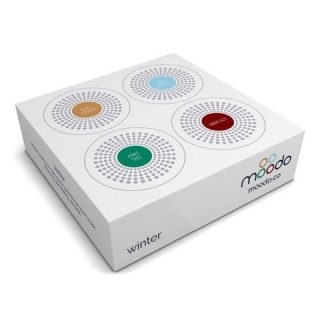
The capsules come in four-pod collections of complementary scents for mixing, for up to 400 combinations. Using the app, you can blend the fragrances to the scent you like, and you can turn up or down the intensity of the fragrance to suit your senses.
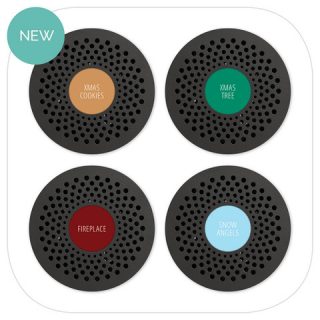
You can customize your fragrance mix, or you can use pre-set blends such as Alpine Wood or Holiday Spirit, which releases more of some scents and less of others to give just the right aroma you want. The diffuser can be left on all day or only when you want fragrance; and the scents are safe and clean-releasing, without any residue on furnishings.
For the holidays, the Winter Scent package contains Xmas Cookies, Xmas Tree, Snow Angels and Fireplace capsules. So even if you have an eco-tree (fake), you can pump up Xmas Tree for a journey to a Canadian Forest in winter, with the soothing scent of Fir needle, Fir balsam and Cedar tree oil.
Upgrading to a smarter, quieter garage door opener

The garage opener in our 14-year-old house was functioning pretty well, but no amount of lube seemed to quiet down it’s noisy chains and motor. As my preteen son just moved in the room over the garage, the rumbling of the garage door opening and closing at night and early morning was proving to be a very rude awakening my sleeping son, day and night.
The Atoms Belt Garage Door Opener (AT-1612B) with a keypad, remote control and Skylink Hub ($199), seemed to be a great solution, with its promise of quiet and smooth operation. It also features integration with Alexa for voice commands and a SkylinkNet hub that can control other devices, from security cameras to lights.

A handy friend and I took out the apparatus from the box and assembled the long gliding sectional rail drive. The former Chainmaster unit had been one long piece, which seemed good for stability, but it definitely made it a little harder to manage as far as disassembly.

It took about three hours total to get everything installed. We had some trouble stretching the belt over the tensioner pulley and sprocket, so we had to off-label and find a way to accomplish this. We ended up disassembling the belt traveler joint and then threading the belt between the pulley and sprocket and then re-assembling the belt, which took a lot of two-person tugging to stretch it and put it back together. It was a frustrating fix but worked with a bit of elbow grease.
Finally, when everything was mounted, we programmed the opener and car link system in two of our family vehicles, we tried out the new garage door opener. It was definitely a lot quieter than the 1/3 Chainmaster HPf opener I had before, even though this one was stronger at ½ HPf.

The rails were not quite smooth, so the door hung up with a loud cluck each time the trolley slide over the edge of the warped rail. We again did some clever adjusting, by slightly bending the rail with heavy duty pliers, and this helped about 90 percent.
As an avid Alexa user, I was very eager to program the opener to work with my Echo and other devices in my home, but that has proved troublesome. I get 75 percent through the registration process and I get error messages on the app. I emailed service and got no answer after waiting for more than three weeks. I tried calling but the customer support was only open weekdays from 9 am until 5 pm, and as a working person, I have found it hard to coordinate a time to call. I tried the online live chat a few times too, but again, operators were not available when I was free to call. I hope to get this resolved, as soon as I have a day off and can call during their hours.
I did at least get the unit working with my app so I could open and close it remotely, and I get a notification on my phone each time the door is opened or close. This is handy while I am at work, as I know when other family members have arrived home. I also really like the keypad that my family can use to open and close the door without having to carry around a remote control. This comes in handy when we go biking riding or for a walk around the neighborhood or otherwise leave the house through the garage and want to travel light.

I also have peace of mind because I can check from wherever I am to make sure I didn’t leave the door open. If I do close the door remotely, it sounds a loud alarm to let anyone near the door know to get away before it closes.
Overall, I am pleased with the garage opener, though the installation hit some hitches. Also, I am still frustrated that the customer service hours are not convenient for me, and I think as a company catering to do-it-yourselfers who often work around the home on weekends, they should have at least some limited weekend hours. I hope to get Alexa working with the opener soon, even though I will probably not use voice commands very often to control the door, but I would like to know I can if I ever want to.
Hot summer tech

The weather is hot, the pool is cool, the kids are out of school. Here’s what you need indoors and outdoors, for fun in the sun and summer entertaining.
Glide through summer
Cruise through the neighborhood, head to the pool, or coast over to your BFF’s house, and arrive like a rock star on the Razor Hovertrax DLX 2.0. This ultimate Nirvana-on-wheels hoverboard features a self-balancing deck that makes it easy to mount and maneuver, and the anti-slip rubber traction platform lets you stay in control for a smooth and easy ride. The exotic finishes and multi-color LED lights will make your entrance memorable, and the 60-minute extended-life battery will keep you going for the long haul. The powerful but silent motor can move you at up to 9 miles per hour, and the shatter-resistant polymer frame and fender bumper keeps your board looking sweet ride after ride.

Mighty bike
The bike paths beckon over summer break, and the serious cycling kid will love power peddling through the neighborhood or catching some air on an Islabike, the Rolls Royce of specialized bikes for young riders.
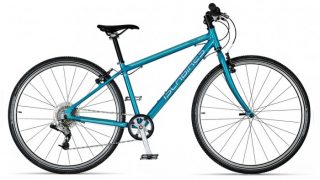
This high-end brand of bikes, created by renowned British bicycle designer Isla Rowntree, respects the young rider with quality construction and attention to detail never before seen in a child’s bike line – down to the option of the child’s name embossed on the frame.

Built as light as possible and ergonomically sized for children’s bodies, Islabikes fit and feel right for kids. As youngsters in their formative years hone their skills, the Isla design gives them the advantages of a high-performance bike, preparing them for the next level of competitive riding, or recreational cycling at its finest.
Do Blow It
Headed to the beach but hate the sand? Blow it off with Canless Air ($149.95). This powerful spray-can sized blower will blast the dust or sand out of crevices where nobody wants it – your keyboard, electronics, car vents – wherever tiny bits if stuff accumulates where it shouldn’t. Unlike those old-fashioned cans of compressed air, Canless Air utilizes green technology to blow over 260 mph of natural air, safely and cost-effectively, with one unit replacing 1,000 cans of traditional canned air. Check out the video on how it works.

That Vat
The only thing better than a cold frothy beer on a hot summer day is a cold frothy beer poured from your very own vat, a la a GrowlerWerks uKeg. This pressurized mini-keg keeps draft beer fresh and carbonated for two weeks or more, and it can travel from the brewery to the beach, BBQ, campfire, duck blind, fishing boat, or wherever you want to take it, with a tap lock to prevent leakage and a durable insulated stainless-steel construction engineered to last. The uKeg features an easy-to-use regulator cap that provides a vacuum seal with the help of a C02 cartridge, and its stylish design is attractive enough that it can be seated at the dining room table.

Mom’s Day gifts for the tech-loving Mother

Moms who love gadgets and electronic gear will love these awesome Mother’s Day gifts

Full Steam a-dress
Whether it’s a big day at work, date night with Dad, or off for a vacay, Mom always wants to look her dapper best. The lightweight JOY 900-Watt Supreme Steam Go Mini Steamer ($19.95 at HSN.com) makes it easy to remove wrinkles from her shirts, slacks and dresses, at home or wherever she goes. The included zippered bag is perfect for storing it in a closet, car or suitcase.
She’s in charge

Mom’s smartphone is her lifeline for work, coordinating kids’ activities, shopping, staying in touch on social media, and everything else she does, so help her keep it charged and ready with the SCOSCHE MagicMount PRO CHARGE ($69.99, scosche.com). This stylish stand and wireless magnetic charger mounts at home or the office on a desk or other surface with a stickGRIP suction base and uses Qi wireless charging technology, ideal for the new iPhone 8, 8 Plus and X, so Mom never has to search for and fumble with charger cables. It also features a Optional Apple Watch® Charging Mount that works with lightning charging cable.
Good hair day

When Mom hits the road, she can bring her own salon with her, with the HSI Professional Travel Styling Kit ($79.99). It includes a Glider Mini flat iron, Groover Mini curling iron, and Dryonizer Mini blowdryer and two airflow nozzles and a hairstyling clip. With all these accoutrements, mom can have straight hair during the day and fun curls that night and
Mom’s domain, so give her cookware worthy of her Highness, with the Swiss Diamond XD Nonstick Cookware collection, dubbed the Rolls Royce of cookware. The XD-double-
Wired for sound

Tech savvy audiophile moms love themselves some wireless earbuds, but tangled lines or low- or dead-batteries are a bummer. With myCharge’s PowerGear Sound ($24.99) Mom will always be charged up and ready to listen to her favorite music or podcast for her daily workout, traveling and anytime she needs to turn on and tune out. This portable protective charging earbud case supplies up to 14x extra battery life and is compatible with Powerbeats 2, Powerbeats 3 and most other Bluetooth earbuds.
Sharing your stuff can be an experience

Embracing the share economy for a better life

All aboard a Boatsetter yachting experience in Marina Del Rey, California, where boat owners host guests for a private cruise experience for an evening or overnight
Our parents told us it was good manners to share our toys when we were kids. Taking turns and letting others play with our treasured possessions kept things peaceful on playdates. As we got older though, most of us stopped this practice. We lived by, “What’s mine is mine and yours’s is yours’s,” that is, until recently.
With the dawn of the share economy about a decade ago, when people began to accept money to share rides and even their homes with others, society started to look differently at personal assets, regarding them as opportunities to enhance our lives, both monetarily and personally.
The truth is, there’s plenty to go around, and in an ideal world, if we just let others use our things when we aren’t using them, then no one would be without. Imagine the resources we could save by not buying stuff that we only need occasionally.
Consider the freedom of using things for which you do not have to assume risk and responsibility or need to store, maintain, register or license. It seems so logical, but until five years ago, there was no such thing as a share economy. Now, you can share just about anything, and just like when we were kids, everyone wins.
Uber was the first ride share service to take off. This innovative company built an app that allowed just about anyone with a street-legal car to connect with riders who would pay drivers for sharing their ride. The idea was to give transportation to people who were already going your way, and those passengers would compensate you, essentially sharing the cost of the gas and upkeep on your car. It was such as great idea, ride share companies like Lyft, Opoli and others soon got on board.

An Opoli driver takes a client out for a ride in style
Of course, it ended up that more cars, not fewer, ended up on the road, and Uber and the others became basically cheaper and less-regulated taxis. But the sharing economy was born, and a new mentality emerged, whereby society began sharing all sorts of things, and sharing opened up new realms of possibilities and experiences that continue to evolve into a new way of living for tens of millions of people.
Not only does sharing eliminate the need for ownership of expensive things that we only use occasionally, it provides unique opportunities between people of all backgrounds, and in some cases it can be an equalizer between the have and have nots, and it can open up new markets where none existed.
Airbnb allows people to sublet or share their homes, providing a new source of income for hosts and opening up affordable travel to people for whom the cost of hotels was prohibitive. In some cases, Airbnb might be the only accommodations in remote areas where there are no hotels, bringing visitors to previously off-the-grid destinations.

Airbnb allows anyone with extra space to rent it out to strangers, and visitors can find affordable accommodations in cities or places where no other lodging is available
Even travelers with ample budgets often opt for Airbnb accommodations, preferring the privacy of renting of an entire home, the experience of staying embedded in a cool neighborhood, or the companionship of residing with a host, who might share a cup of coffee in the morning or even take guests on a shopping outing, site-seeing tour, surfing adventure or other paid experience.
Soon riffs on home sharing evolved, like Boatsetter, a peer-to-peer boat rental marketplace which connects boatowners with guests who want to enjoy an adventure on the water. The owners can invent experiences in San Francisco, Los Angeles, Miami and Barcelona, where boatowners host guest on experiences such as deep sea fishing, whale watching or a Live Like a Star party boat ride on a yacht or even a sleepover on a boat with breakfast included.


Though not quite as glamourous as a yacht cruise, TravelCar, which has a fleet of hundreds of cars available in Los Angeles and San Francisco, offers users the opportunity for travelers to rent a car at a discounted rate from a private owner, usually while the owner is traveling. The host receives a portion of the rental fee and gets free airport parking and a car wash in exchange for lending out their vehicle, and if they host as part of TravelCar’s monthly program, TravelCar provides routine maintenance, such as oil changes, wiper fluid, and tire rotation.

Of course, you don’t have to own a home, boat or even a car to be part of the share economy. Pavemint allows those with parking spaces to lease them out short- or long-term. In Los Angeles, where the company recently launched, already hosts with more than 4,000 parking spaces have signed up to loan out their driveways and unused office building parking lots. Besides bringing in a little spending money to the hosts, utilizing empty parking spots and offering guaranteed parking to visitors has helped boost business in city neighborhoods, like Hollywood, where safe parking – or any parking — is scarce.

Pavemint allows those with a parking spot to let others use it for the hour, day, week or longer

The success of Uber, Airbnb and spinoffs has spawned many other types of share services, particularly in large cities, where companies vie to be the Uber of their lot, like Bird, a Southern California company that rents stand-up electric scooters through a mobile phone app, allowing riders to find and activate scooters that are at depots throughout Santa Monica, Venice and other neighborhoods in Los Angeles and San Diego, for a cost of $1 per ride and 15 cents per minute.
Then there’s LimeBike, a smart bike sharing company with more than 35 regional locations in cities and college campuses across the US including Seattle, Washington D.C., Dallas, and Miami. Even Uber, through its subsidiary Jump Bike, has gotten into the two-wheeler share space, offering hosts the opportunity to lease out their bikes in San Francisco, with a fleet of 250 bikes and growing, and plans to soon to expand into other cities.

Bike rentals by the hour or day allow tourists to cruise like locals
With all sharing propositions, there are pros and cons, for both hosts and users. While hosts and their properties are supposed to meet certain standards, sometimes they all short. Likewise, guests and leases are bound to rules of conduct and care that they do not always follow. There are risks to personal property and personal safety in some cases, that both parties accept, which is stated in the fine print of the terms of service to which they agree before participating in the service.
Not only are there risks of letting others use our things, but there are risks to sharing our identity and financial information when we participate in the share economy. According to cybersecurity expert, David Thomas, CEO of Evident ID, “While the sharing economy makes services and goods more accessible than ever, it also asks users to interact with people they do not know and may not trust. That’s why it is important to understand the level of verification and security a sharing economy provider has in place for its community.”
While there are isolated horror stories, with the extreme of Uber driver murders and reports of Airbnb thefts and vandalism, for the most part, sharing works. The benefit of sharing is not just new sources of passive revenue for property owners and wages for many people in need of flexible hours – the old retort when someone in LA claims to be an actor, “Really? What restaurant?” is now, “Really? Uber or Lyft?” – it is also a cleaner environment, a healthier lifestyle, accessibility of affordable transportation and accommodations for travelers, and the advent of new ways for us to interact with each other as a society.
When our parents encouraged us to share as kids, our playdates were more enjoyable and peaceful, and everyone was happier. It has taken us generations as a society to learn that truth that we accepted as young children. Sharing is caring. When we share, we all benefit, in untold and immeasurable ways. As we continue to invent new ways to share, we expand our economy and our minds, and we might not just make some extra money but make a new bestie.
EasyKicks online shoe club makes choosing shoes fun for kids

If the shoe fits, wear it; if it doesn’t click on another pair and order up the styles your kids want

EasyKicks is not a video game, but it’s not going to the mall. Most kids (and parents) with a choice of going shoe shopping at a store or sitting in front of a screen for a few minutes to choose shoes, will opt to lean in to get their kicks, and that’s what this ingenious online retail start up is counting on.
EasyKicks is a monthly service where subscribers pay a $20 monthly fee and get to pick and have shipped a new pair of Nike or Converse shoes, as they need them.


One of the most interesting elements of this subscription service is that the shoes come delivered to your door in a personalized box, decorated with kid-friendly graphics to boot, and when you take out the new pair of shoes, you put in an old pair of shoes and ship them back In a prepaid envelope for donation or recycling.


You can even put a couple pairs or more in the box, to go to a good cause. Either way, if your gently used shoes find their way to foster kids in need or if they are recycled through Nike grind, they go to a good cause and are kept out of landfills. They may even become materials to make playground surfaces.
The program allows you to swap out your “kicks,” as they call shoes, as often as you need to, at no extra cost. They send along a guide for measuring feet, with instructions, so you’re sure you get the right size. They even include a shoe-print shaped magnet that resembles those old-fashioned measuring devices in shoe stores, so you can slap it on the fridge and always have it handy.

The on-demand subscription concept came about as a way to end the stress of shopping for kids shoes, and the frustration of buying new shoes for kids to only have them wear them out or outgrow them in a month.
Once you ship off a pair of shoes to swap, you can go to your online account and order a new pair. Your membership allows you to keep one pair at a time, but you can order a new pair before you send your old pair back. But if you try to order another pair, a note on the website will let you know you need to first swap out a pair to get a new pair. You can swap out shoes as often as you need to, but measure often, as pediatricians recommend measuring kids feet for resizing every 90 days. Sure enough, at the third month of my membership, my son had already gone up a half size.
If you ever decide to end your membership, they ask that you send back your old EasyKicks, unless you’ve had them for at least 90 days, in which case they are yours to keep.
The shoes selections are a little limited, with only Nike and Converse brands, but considering those are pretty much the only brands my son wears, it was a good match for us. When I last checked the selection, for my son size, there were more than 40 styles from which to choose.
My son loves to look through the styles himself, and he much prefers to tap on a picture online then for me to drag him to a shoe store to try on the shoes.

For families with many kids, you can set up a profile for each child, which includes the child’s name, age and shoe size. They don’t have a discount for multiple kids in a family at this time, but they do often have promotions to save money, like $5 off the first month of membership with a three-month commitment; and they have a gift membership for a year that is $200.
It figures it took busy parents to come up with this idea of a kids show club, and ironically the founders are shoe industry veterans who happened to notice how quickly their own kids outgrew shoes, and they decided to do something to give busy parents a break and to give worn-out shoes a second life.
EasyKicks is backed by Nike, which is why the service get access to the latest sneaker styles and gets the best deals in the market. When I did the math, not only did the cost come out to be a steal, the time and energy I saved was priceless.
Who will answer the call of the future? Alexa, Google Assistant, or Siri?

Voice-commanded devices and their apps are turning up the volume in the market, but who will get your ear?
When Apple finally entered the wireless speaker market with HomePod, which can be voice-controlled by Siri, its competitor Sonos, which now responds to voice commands via Amazon’s Alexa, took a swipe at the launch with a tongue-in-cheek playlist on Spotify, a service that the HomePod cannot access except through a workaround using other devices. While gags like this make the rivalry of these manufacturers sound like fun and games, the truth is that they are in a ruthless race to gain market share among literally dozens of new players in the space, from some you may have not yet heard of, like the TCL Xess video home hub ($499), to spin offs to the most popular devices, in different sizes and colors.

Some of these speaker systems and their attendant voice-commanded assistants are better than others, and some are simply clones. Here’s a short list of the ones we like, and why.
HomePod is a powerful speaker and sounds amazing, but Siri has a lot of catching up to do in order to hold a candle to Alexa, and at the sticker price of $349 and its inability to work with streaming music services besides Apple Music, there’s better bets out there, unless you are simply an Apple fanatic and will have nothing else.

Sonos remains a favorite, with its first-to-market Hi-Fi Wi-Fi streaming abilities and pairing with speakers in the Sonos family, including the new single speaker silo, Sonos One ($199), with Alexa built in.

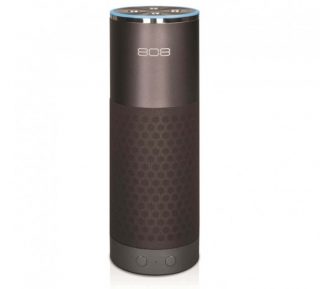
808 XL-V smart speaker is a new entrant to the Alexa-enabled speaker systems, with a design closely resembling the original Amazon Echo, though the 808 has a bit more style than the original with its fabric-like wrap, resembling a traditional Wi-Fi speaker. Using the 808 audio app, you can use voice commands to control all the smart devices in your home, like thermostat and lightbulbs, and you can access your Amazon music and book library as well as premium accounts on Spotify and other music streaming services; or you can always use the Bluetooth connection to stream audio from other Bluetooth enabled devices or hook it up devices to the aux-in jack. The 808 XL-V also has the ability to stream the same music simultaneously from another 808 XL-V, you can play the same music in every room where you have a speaker.
Of course, you can’t talk about Alexa, without talking about the Poindexter stepsister-from-another-mother, Google Assistant, originally developed for Google Home and now expanding into a number of devices, including the adorable Google Home Mini ($49).


The TicHome and TicHome Mini are two great entrants into the Google Home voice command family. These speakers have great audio quality, especially for their size, and they also come in a variety of attractive colors to spruce up your countertop, desk or wherever they sit with their compact footprint. Like Google Home, they access the massive knowledge base of Google search, so by comparison to Alexa-enabled devices, The Google Assistant-enabled devices are far superior. The one big downside is that Google Assistant is not able to access your Amazon Music account at this time, obviously because their competitor controls the behemoth Amazon enterprise, but if you subscribe to premium services on Pandora and other listening services, you won’t miss a beat.

Amazon has had to up their game with more exciting speakers to compete with all the other Alexa-enabled systems now on the market. Amazon has met the demand for variety by adding not only an assortment of devices, such as the Dot ($49), Tap ($129), featuring both wi-fi and Bluetooth capabilities, and the tablet-like Show ($229), they’ve also added colors to the scheme. Now you can choose from hues like a teal and orange to liven up your table top and blend in with your decor.
As the creator of Echo ($129), of the first-to-market voice command speaker, Amazon Alexa is still king, or queen as it were, when it comes to audio quality and responsiveness, with its Dolby-powered omni-directional seven speakers that detect voice from multiple directions around it. And because Amazon’s signature Alexa-enabled speakers were build to work with the Alexa app, they are the most seamless in performance with Alexa and experience much lower rates of error than the other systems built by third parties.

With all of these systems, there is still work to be done to perfect their interactions with voice command. Expect that for no reason at all sometimes these speakers drop off Wi-Fi, requiring a reset or other intervention, and no matter how clearly and loudly you command them, sometimes you have to repeat yourself and yell at them like they are a petulant child to get them to do something or stop doing what they’re doing. But just like our kids, once we have them, we wonder how we ever lived without them.

